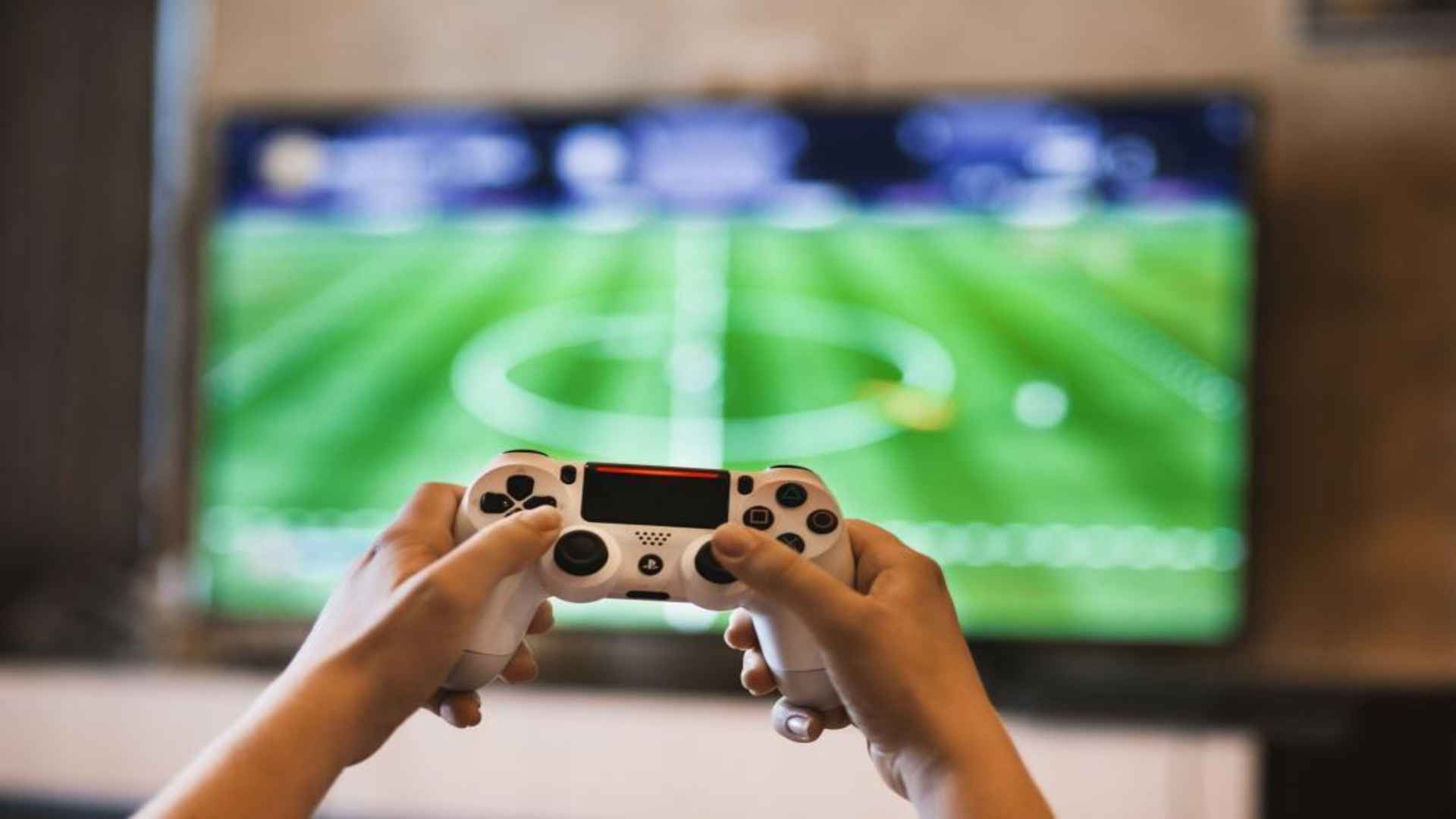
The landscape of mobile gaming has shifted from solo achievements to a profound focus on collective intelligence and group synergy. Modern developers are crafting complex ecosystems where the success of a mission depends entirely on how well individuals synchronize their unique roles. This evolution has turned smartphones into digital arenas where strategic coordination is the most valuable currency for progress.
The Core Mechanics of Group-Based Achievements
In high-stakes mobile environments, victory is rarely the result of a single player's brute force or mechanical speed. Instead, games now implement sophisticated reward systems that recognize specific tactical behaviors, such as defensive shielding or timely support actions. These mechanisms ensure that every member of a squad feels valued, regardless of their position on the final leaderboard.
By prioritizing shared objectives, these titles foster a sense of community and long-term engagement among global player bases. Groups must often analyze terrain, resource management, and opponent patterns to develop a cohesive plan that outmaneuvers the opposition. This intellectual depth elevates the mobile experience from a simple pastime to a serious test of collaborative problem-solving skills.
Rewarding Tactical Communication and Planning
Effective communication is the cornerstone of any successful team-based game, and many modern apps provide built-in tools to facilitate real-time coordination. Whether through integrated voice chat or quick-signal pings, the ability to relay information instantly can be the difference between a successful ambush and a total defeat. Developers often incentivize this behavior by granting bonus experience points for actions performed in close proximity to teammates.
Strategic depth is further enhanced by platforms that offer detailed analytics and historical performance data for organized squads. Engaging with a reliable service like msports allows players to stay updated on the latest competitive trends and professional strategies. Access to high-quality insights helps dedicated teams refine their internal roles and adapt to the ever-changing meta of their favorite titles.
The Psychological Benefits of Collaborative Play
Participating in team-based strategies offers significant cognitive and social advantages that extend beyond the virtual world. Players learn to manage interpersonal conflicts, delegate tasks based on individual strengths, and remain calm under intense pressure. These soft skills are essential for navigating both professional and personal environments in the real world.
Furthermore, the shared satisfaction of overcoming a difficult challenge as a group creates a powerful bond between participants. The mutual trust required to execute complex maneuvers fosters a supportive atmosphere that encourages continuous improvement. This social reinforcement is a primary driver for the sustained popularity of the cooperative gaming genre.
Future Trends in Competitive Team Structures
As mobile technology continues to advance, we can expect even more immersive features designed to deepen team interactions. Augmented reality and improved haptic feedback could provide new ways for players to perceive and support their allies during intense matches. The integration of more advanced matchmaking algorithms will also ensure that teams are paired with opponents of similar tactical proficiency.
The emphasis on rewarding collective strategy over individual performance is a trend that shows no signs of slowing down. This shift ensures that the gaming industry remains inclusive and focuses on the human element of shared digital experiences. As players continue to value deep tactical play, the future of mobile entertainment looks increasingly social and intellectually challenging.